
Hydraulic systems are widely used in construction machinery, industrial equipment, marine vessels, and automated production lines, serving as a critical component for efficient power transmission in modern machinery. However, during actual operation, various issues are inevitable, such as insufficient pressure, excessive oil temperature, or slow system response.
Once a failure occurs, it can not only disrupt normal equipment operation but also lead to costly downtime and even safety risks. Therefore, mastering a systematic approach to hydraulic system troubleshooting is essential for improving equipment reliability and reducing maintenance costs.
Today, we will provide a detailed analysis of common hydraulic system problems, troubleshooting methods, and practical solutions to help you quickly identify and resolve faults.
Basic Working Principle of a Hydraulic System
Before performing troubleshooting, it is essential to understand the basic components of a hydraulic system. A typical hydraulic system usually includes:
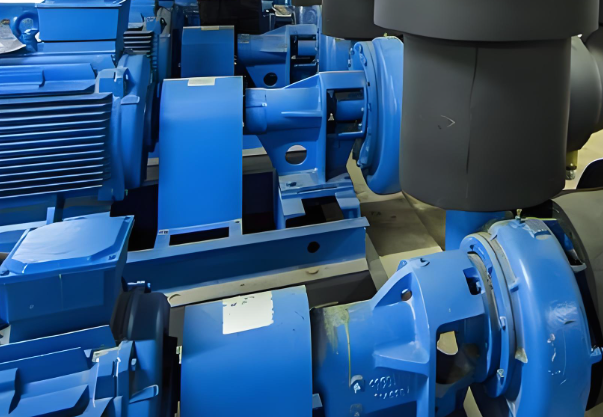
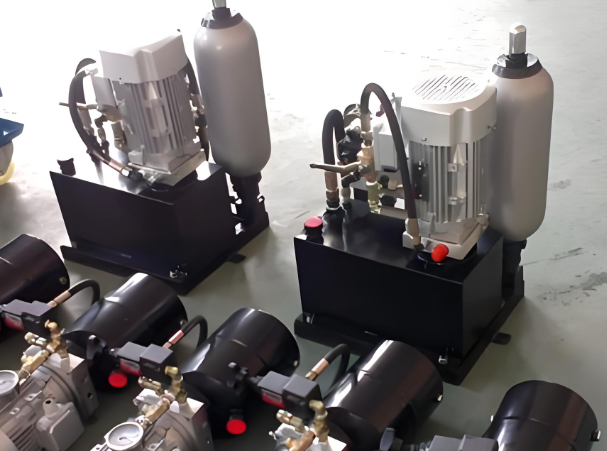
- Hydraulic Pump (Pump): Provides pressure and flow
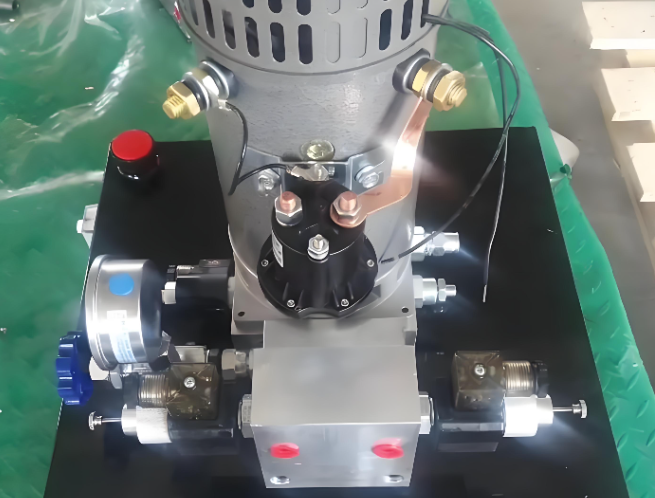
- Control Valves (Valves): Regulate fluid direction and pressure
- Actuators (Hydraulic Cylinders or Motors): Convert hydraulic energy into mechanical motion
- Hydraulic Fluid (Oil): The medium that transmits energy
A hydraulic system operates through the combination of pressure and flow, converting mechanical energy into hydraulic energy to drive equipment operation.
Common Hydraulic System Failures and Solutions
1. Low System Pressure
Common Causes:
System pressure being too low is a frequent problem that may occur in hydraulic machines, which could be caused either by the sealing or the power source. Any leakages from the inside or outside of the system will prevent pressure from being accumulated; wear of the hydraulic pump will result in lower pressure levels; furthermore, improper adjustment of pressure or malfunctioning of the relief valve might be the reason for low pressure.
Solutions:
First, examine all connections and sealing elements in the system and change them in case of any wear and tear. Second, test the level of output pressure and flow rates of the hydraulic pump and see whether repairing or replacing it will be required. Finally, test the relief valve and set the right level of pressure.
2. Overheating Issues
Common Causes:
Excessive oil temperature can accelerate oil degradation and reduce system efficiency. Typical causes include failure of the cooling system (such as a radiator), prolonged operation under high load, and contaminated hydraulic oil or improper viscosity.
Solutions:
Inspect the cooling system to ensure it is functioning properly, and clean or replace the radiator if needed. Replace the hydraulic oil with a suitable type based on operating conditions. Additionally, optimize the system workload and avoid prolonged overload operation.
3. Slow or Weak Actuator Movement
Common Causes:
Under the fault-identification heading, slow operation and poor power of actuators are mainly due to a lack of flow or undue resistance within the system. This could result from an over-the-top pump quantity of supply, obstructed lines, and/or the air entrapped within being inimical to a stable transmission of power.
Solutions:
The removal of the trapped air is the key. Further, while necessarily checking for blockages or restrictions in the pipeline, its cleanup or replacement becomes imperative. These blockages may discourage adequate flow-transmission, thus again impairing the actuating power. The inspection & verification of the hydraulic pump’s flow characteristics should also be considered under troubleshooting.
4. Noise or Vibration
Common Causes:
Much noise or some vibration is a preliminary indication of underlying problems. If the pump is cavitated, leading to noise; if the hydraulic motor or pump is defective, causing vibration; if the supply of hydraulic oil is inadequate, these are all reasons for such noise and vibration.
Solutions:
Examine the suction line for any sort of air leak or blockages that may prevent the flow of oil. Refill the hydraulic oil to the oil level. If anything is damaged, promptly replace it to terminate future possibilities of problems.
5. Hydraulic Fluid Contamination
Common Causes:
Hydraulic fluid contamination is a critical factor affecting system stability. Contaminants may enter from external sources such as dust or moisture, ineffective filters that fail to remove impurities, or aging seals that allow foreign particles into the system.
Solutions:
Regularly replace or clean filters to maintain effective filtration. Change hydraulic oil according to maintenance schedules. Strengthen sealing management to prevent contaminants from entering the system at the source.
Standard Hydraulic System Troubleshooting Procedure
In practical maintenance work, it is recommended to follow a systematic troubleshooting process to improve efficiency, reduce misdiagnosis, and quickly identify the root cause of issues.
1. Visual Inspection
Begin with a basic visual check to identify any obvious abnormalities, such as damaged hoses, loose fittings, oil leakage at seals, or mechanical component damage. This step helps quickly detect visible issues and avoids overlooking simple faults.
2. Fluid Check
The condition of hydraulic oil has a direct impact on system performance. Check whether the oil level is within the normal range, and observe if the oil appears darkened, cloudy, or contains bubbles or contaminants. Abnormal oil condition often indicates internal wear or system contamination.
3. Pressure & Flow Test
Use appropriate instruments to measure system pressure and flow output. This helps determine whether the hydraulic pump and control system are operating properly. Low pressure or insufficient flow usually indicates leakage or reduced pump efficiency.
4. Component Inspection
Inspect key components one by one, including hydraulic pumps, control valves, cylinders, or hydraulic motors. Pay close attention to signs of wear, sticking, or abnormal response, as these are common causes of performance degradation.
5. Leak Detection
Leaks can be classified into external and internal leaks. External leaks are easier to identify visually, while internal leaks require pressure testing or section-by-section diagnosis. Leakage is one of the main causes of pressure loss and efficiency reduction.
6. System Testing
After repairs or component replacement, perform a full system test to evaluate overall performance under different operating conditions. This ensures that the issue has been fully resolved and that the system is operating stably and reliably.
Hydraulic System Maintenance and Preventive Recommendations
The organization requires ongoing maintenance and preventive activities which help to protect hydraulic systems against failures while maintaining their ability to function for extended periods. Organizations that follow proper maintenance procedures can achieve two main benefits which include extending their equipment lifespan while decreasing their expenses for repairs.
1. Regular Hydraulic Oil Replacement
Hydraulic oil experiences performance decline because it undergoes oxidation and contamination processes during extended operational periods. The equipment requires hydraulic oil to be replaced at specific intervals which depend on its operating schedule because degraded oil results in efficiency loss and component damage.
2. Use an Efficient Filtration System
The filtration system acts as the essential protective barrier which stops all contaminants from entering the hydraulic system. The filter elements need to remain in proper condition while their replacements should follow the operating conditions to achieve oil cleanliness and minimize internal wear and clogging dangers.
3. Regular Monitoring of System Pressure and Temperature
The system requires pressure and oil temperature measurement because this process enables detection of unusual patterns which include pressure drops and temperature increases. The system enables operators to make necessary changes which prevents small problems from evolving into serious operational breakdowns.
4. Inspect Seals and Pipeline Conditions
Aging seals or damaged pipelines can easily lead to leakage problems. Regular inspections should be carried out to check for oil seepage, cracks, or loose connections, and any damaged components should be replaced promptly.
5. Establish Maintenance Records
A well-maintained service log helps track equipment operating conditions and maintenance history. It also supports failure analysis and provides valuable references for future maintenance planning.
Good maintenance management not only significantly extends the service life of hydraulic systems but also effectively reduces unexpected failure rates, improving overall operational stability and safety.
How to Select an Appropriate Hydraulic Power Solution
In hydraulic system design and application, selecting the right power source is a critical factor that directly affects system stability, application scope, and operating costs. A well-chosen power solution can significantly improve efficiency and environmental adaptability.
1. Electric-Driven Hydraulic Systems
This type of power source hydraulics is common. Here, an electrical motor drives the hydraulic pump. Its pros include smooth operation, low sound production, and moderate maintenance costs. It is applicable in industries with constant power supply. This includes factory assembly lines and stationary engineering machinery. Moreover, electrical hydraulics offer higher precision control. They are thus suitable for automated and intelligent controls.
2. Diesel Engine-Driven Hydraulic Systems
Diesel engine-driven hydraulic systems are mainly used in environments where electricity is unavailable or unstable, such as outdoor construction sites, mobile equipment, or emergency applications. In this configuration, a diesel engine directly powers the hydraulic pump, providing strong independent operating capability.
Its key advantages are high mobility and independence from external power sources, allowing continuous operation in harsh environments. However, it generally produces higher noise levels and requires more intensive maintenance.
3. Applications in Special Working Conditions
For some sectors including mining machines, offshore construction projects, and rescue machines, a diesel-driven system becomes an ideal choice. This is due to their ability to generate consistent output under any conditions. A diesel engine can perform efficiently even when there are no electricity connections or when other forms of energy sources are unavailable. This makes the hydraulic system very practical for use in any situation.
When choosing a hydraulic drive mechanism, several issues must be put into consideration. These include the environment, energy efficiency, maintenance, and operating frequency.
The Importance of the Starting System in Hydraulic Equipment
In engine-driven hydraulic systems, the starting system is the very first stage in the whole process, and the effectiveness of its performance is critical to ensure that the hydraulic system functions normally. In case of starting failure, the hydraulic system will not work regardless of whether the rest of the parts are in good working order. Hence, the significance of the starting system should not be underestimated.
In actual situations, the importance of starting system reliability is particularly prominent in the following situations:
1. In the Absence of Electric Power
In outdoor projects, remote regions, or mobile machines, reliable electric power sources cannot always be assured. Hence, it is important for the starting system to run independently to guarantee that the equipment is operable anytime.
2. Quick Starting Required in Emergencies
In the cases of fire control, rescues, or backup power supplies, the equipment requires quick starts in emergencies. Any failures might cause serious consequences.
3. High-Reliability Industrial Applications
In industrial operations like maritime transportation, mining, and oil drilling, machinery is used in harsh environments with extensive usage. The downtime may lead to substantial financial loss; thus, high starting reliability becomes a necessity.
In such cases, the Spring Starter becomes a viable option due to its ability to start reliably without access to electric energy sources. As it functions without any electrical energy source and has a robust design, its starting reliability and safety are greatly increased, improving the stability and flexibility of hydraulic devices.
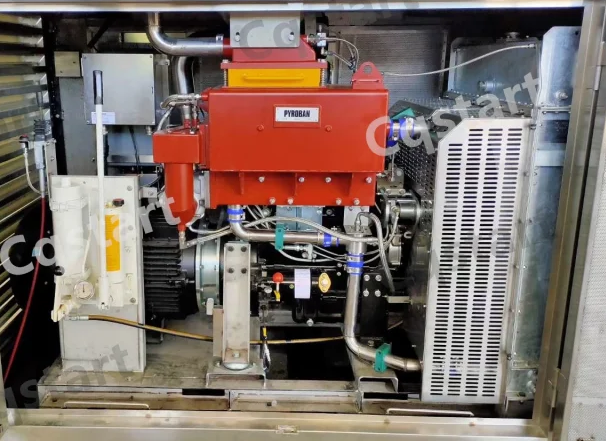
Cqstart Spring Starter: Starting Solution for Hydraulic Power System
Hydraulic system failures are inevitable to some extent; however, through systematic hydraulic system troubleshooting methods, problems can be quickly identified and effectively resolved.
In addition, by combining proper maintenance practices with well-designed system architecture, the likelihood of failures can be significantly reduced, ensuring more stable and efficient equipment operation.
If you are looking for a reliable starting solution for hydraulic or engine-driven power systems, especially in demanding environments, we specialize in Spring Starters (mechanical spring starting devices) designed for no-electric or emergency start applications. Cqstart spring starter solutions provide dependable starting performance for hydraulic power units in industries such as mining, marine, and heavy machinery. Feel free to contact us for professional technical support and quotation services.