
In extreme and harsh industrial environments such as marine vessels, mining equipment, emergency fire pump stations, and oil & gas operations, power system reliability directly impacts operational safety. Once battery depletion, submerged circuit short-circuiting, or insufficient air pressure occurs, the Mechanical Spring Starter serves as the ultimate safety guarantee for diesel engine black-start and emergency pull-starting—thanks to its 100% pure mechanical drive, requiring zero electrical signals or air supply.
However, mechanical spring starters are not “one-size-fits-all” components. Incorrect selection can lead to insufficient starting torque (failing to pass Top Dead Center / TDC), flywheel ring gear tooth stripping or spalling, or even physical interface misalignment.
So, How to Choose a Mechanical Spring Starter for a Diesel Engine? Here is a comprehensive guide to selecting the right model.
Why Is Correct Selection of a Mechanical Spring Starter Essential?
When starting a diesel engine, the starter must overcome the engine’s compression resistance, internal friction, and lubricant viscous drag, while potentially driving attached auxiliary mechanical loads.
Especially in low-temperature, remote, or hostile operating environments, actual diesel engine starting conditions differ significantly from standard ambient conditions.
If the starter’s capacity is inadequate, it will fail to meet the engine’s real-world starting demands. Conversely, focusing solely on torque capacity while ignoring the mounting interface may result in an inability to install or connect the starter to the engine properly.
Therefore, selecting a Mechanical Spring Starter must revolve around the integrated combination of Engine + Starter System + Working Environment + Installation Conditions, rather than evaluating a single parameter.
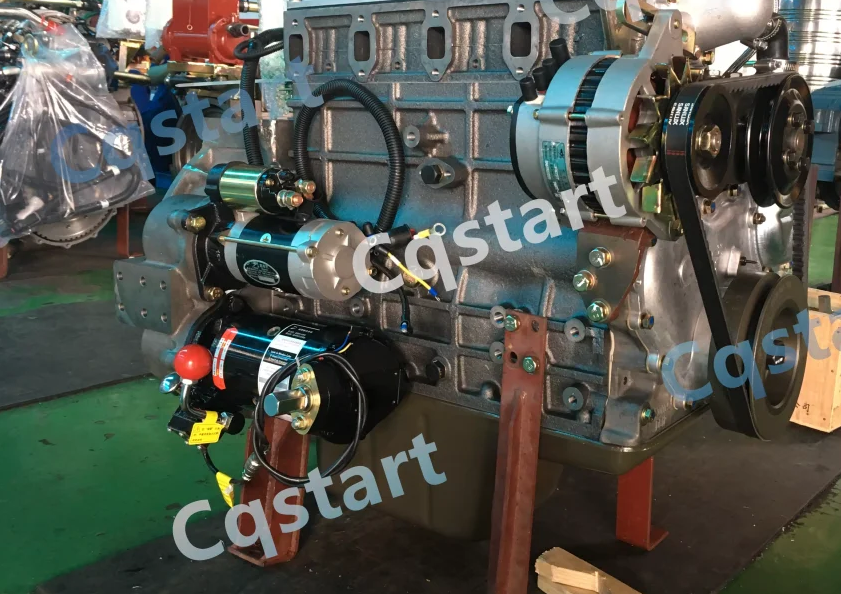
7 Core Elements Influencing Mechanical Spring Starter Selection
1. Specify Full Engine Model and Basic Parameters (The Prerequisite)
The first step in selecting a spring starter is to identify the exact diesel engine model. Always provide suppliers with the complete engine model name rather than just a horsepower (HP) rating. Two diesel engines with identical rated power can have vastly different starting requirements due to engine design, compression ratio, parasitic load, and operating environment.
Prepare the following data in advance:
Core Parameters: Engine brand and complete model name, displacement, cylinder count, and cylinder arrangement.
Operating Parameters: Rated power output, compression ratio, and application type (e.g., fire pump, emergency generator set, marine main/auxiliary engine).
2. Evaluate Starting Torque Requirements
During engine cranking, the starter must deliver sufficient peak torque to drive the flywheel, overcome piston compression resistance (Top Dead Center / TDC), and rotate the crankshaft.
Actual starting torque is dictated by multiple factors:
- Engine internal mechanical friction and cylinder compression resistance.
- Lubricant status and ambient temperature: In cold environments, lubricant viscosity increases drastically, multiplying starting resistance, meaning selection cannot be based merely on room-temperature conditions.
- Un-clutched auxiliary equipment or driven parasitic loads.
3. Match Minimum Engine Starting Speed (RPM)
While starting torque determines whether the engine can turn over, starting speed determines whether the engine can achieve compression ignition.
A diesel engine requires a specific crankshaft RPM to complete the ignition process. Thus, the spring starter’s output speed characteristics must match the engine’s minimum cranking requirement. Since ignition RPM varies by engine model, do not apply a generic RPM standard across different equipment. If the minimum starting speed is unknown, consult the engine manufacturer’s technical manual or provide the engine model to the starter supplier for verification.
4. Confirm Physical Mounting Interfaces and Operational Space
Even if a starter possesses sufficient power, it is useless if the interface does not match or if site installation space is inadequate. Verify the following before purchasing:
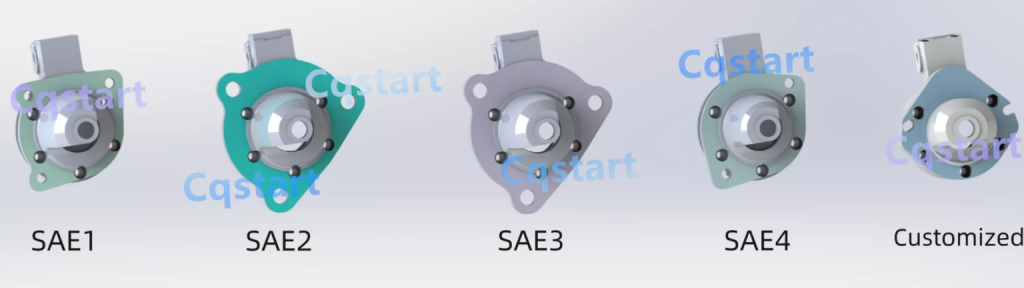
SAE Standard Flange Specs: Verify the SAE flange size (e.g., SAE 1, SAE 2, SAE 3, SAE 4), Bolt Circle Diameter (BCD), and pilot diameter.
Pinion Gear Parameters: Tooth count, module/pitch, and pressure angle must mesh perfectly with the engine’s flywheel ring gear.
Rotation Direction (Poka-Yoke): Confirm whether the engine turns Clockwise (CW) or Counter-Clockwise (CCW).
Engineering Tip: Always determine the rotation direction facing the Flywheel View, never from the front pulley end.
It is recommended to provide photographs of the engine installation location, dimensional drawings, or CAD files to facilitate quick vendor evaluation.
5. Consider Environmental Conditions and Explosion-Proof Certifications
The operational setting determines the required IP rating and material composition:
Hazardous / Explosive Zones (Oil & Gas / Underground Mining): Spring starters generate zero electrical sparks during engagement and release. For hazardous areas (Zone 1 / Zone 2), select units compliant with ATEX explosion-proof certification.
Marine & Offshore Platforms: Subjected to continuous salt spray and high humidity, the starter casing requires marine-grade anti-corrosion coatings, sealed dustproof construction, and stainless steel fasteners.
Remote Off-Grid Environments: Assess local electrical accessibility and ease of field maintenance.
6. Determine Duty Cycle and Continuous Start Requirements
Do not evaluate only whether the starter can execute a single turn; evaluate how frequently it will be operated:
Infrequent / Emergency Starts: For example, generator sets that require standby readiness, energy storage and successful starts on the first attempt.
High-Frequency / Continuous Starts: E.g., industrial processing machinery requiring multiple consecutive start attempts according to operational protocols.
Clarify beforehand: Number of start attempts per cycle, intervals between starts, and standard operating procedures (SOP).
7. Confirm Starting Setup and System Integration
Define the role of the spring starter within the overall system architecture:
Pure Manual Control: Operators manually wind the crank handle to store energy and pull the trip lever for release.
Dual-Starter / Auxiliary Configuration: Used alongside existing electric or pneumatic starting systems (acting as a secondary/backup system). Verify whether the flywheel housing features dual starter ports or requires a Dual-starter Adapter Kit.
Selecting Spring Starters Across Different Diesel Applications
There are varied requirements and challenges from different industries that must be considered specifically during selection:
Mining Equipment
The mining equipment usually works in a confined underground environment, in highly dusty conditions, and in remote areas. Attention must be paid to checking the radius of the clearance of manual cranking handle, limits of physical installation envelope, and highly dust-proof sealing of energy storage module.
Oil & Gas Equipment
Hazardous environments carry severe explosion risks. Despite the fact that purely mechanical operation removes the danger of electrical sparking, one should not buy on the basis of the term “mechanical starter” alone. Make sure that the item is certified as per the ATEX Hazardous Area Certification for Zones 1 & 2.
Marine Diesel Engines
The marine engine room operates under harsh conditions of salt spray and moisture, with starters being used to start lifeboats and emergency generators. Proper marine corrosion coating and salt spray protection, along with proper validation of CW and CCW arrangements, are crucial.

Diesel Generator Sets
Backup gensets sit idle for extended periods, demanding maximum single-attempt success rates. Never select a starter based on the generator’s output kW or HP ratings alone; select strictly based on the exact engine model and confirm if an electric/mechanical dual-starter setup is needed.
Construction & Heavy Machinery
Heavy machinery like excavators demands compact engine bay integration and mobility. Prioritize verifying the SAE mounting flange specification and pinion gear axial dimensions, while confirming vibration resistance and external cranking handle accessibility.
5 Common Mistakes When Choosing a Spring Starter
Avoiding these common selection mistakes will help minimize costly reworks, returns, and on-site installation failures:
Selecting Solely Based on Engine Horsepower (HP / kW):
Mistake: Requesting a starter for a “100 HP diesel engine.”
Consequence: Power output does not represent peak torque requirements or cylinder compression resistance. Two engines with identical horsepower can have vastly different displacement, compression ratios, and starting requirements.
Solution: Always specify the exact engine brand, full model name, and engine displacement.
Ignoring Physical Interfaces and Space Constraints:
Mistake: Assuming that matching starter power guarantees a direct fit.
Consequence: Mismatched SAE flanges or gear module parameters render installation impossible. Ignoring cranking handle rotation radius in cramped engine compartments leaves operators unable to manually wind the starter.
Solution: Check SAE flange sizes, gear specs, and rotation direction (CW/CCW), while providing physical space dimensions or photo evidence.
Overlooking the Impact of Extreme Cold on Starting Resistance:
Mistake: Evaluating performance using room-temperature parameters (20°C).
Consequence: Sub-zero temperatures dramatically increase oil viscosity and alter engine clearances, multiplying mechanical resistance. Room-temperature sizing leads to torque shortfall and failure to cross Top Dead Center (TDC).
Solution: State the lowest expected ambient temperature during inquiries so suppliers can incorporate adequate torque safety margins.
Ignoring Duty Cycle and Consecutive Start Requirements:
Mistake: Testing only whether the starter can turn the engine over once.
Consequence: Standby emergency equipment and high-frequency industrial equipment place vastly different fatigue demands on starter springs.
Solution: Clarify starting frequency, minimum interval between attempts, and standard operational procedures (SOP).
Submitting Vague Requests Without Technical Context:
Mistake: Sending short inquiries such as “I need a spring starter for a diesel engine.”
Consequence: Missing technical details causes prolonged back-and-forth communication or incorrect model recommendations.
Solution: Use a standardized inquiry checklist containing engine brand/model, application type, physical layout specs, and explosion-proof/anti-corrosion requirements.
Cqstart Mechanical Starter: Best Mechanical Spring Starter
Partnering with a manufacturer with strong R&D and rigorous testing capability is essential to achieving zero-failure black-starts. Key indicators evaluated by experienced procurement teams include patent portfolios, extreme condition test data, authoritative certifications, and OEM experience.
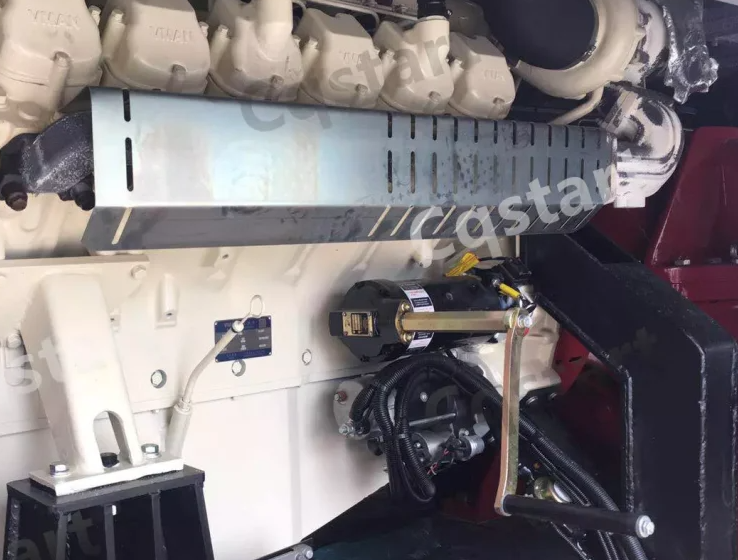
Why Cqstart Mechanical Spring Starter Fits Your Starter Selection Needs:
Displacement & Torque Performance:
Holds the world record for spring starter application up to 50L engine displacement, supporting power ratings up to 3x higher than industry averages. Proprietary energy-storage materials increase energy density by 20%, while high-precision components deliver 9% more output power to overcome high displacement and compression resistance.
Severe Environment & ATEX Compliance:
Features an inherent pre-engagement sparkless design with ATEX explosion-proof certification. Operates reliably across broad temperature ranges from -40℃ to +60℃, featuring specialized surface coatings that increase wear resistance by 40% for oil & gas, marine, and arctic mining applications.
High Durability & 100% Quality Assurance:
Retains over 92% energy retention after 5,000 endurance cycle tests (<8% decay). Dedicated digital testing rigs quantify instantaneous work output for every unit before shipment, eliminating gear spalling caused by flange or gear output variations.
Rapid Customization & Cost Efficiency:
Certified under China Classification Society (CCSC) quality management standards, with fitment options covering hundreds of engine models. Reduces procurement and maintenance costs by approximately 30% compared to international competitors, offering customized black-start engineering solutions (such as manual cranking ECU-power-up configurations) in as few as 15 days.
Whether applied to explosion-proof oil rigs, marine lifeboats, mining machinery, or emergency fire pumps, Cqstart delivers reliable and cost-effective mechanical spring starting solutions.
Frequently Asked Questions
Q1: Can a mechanical spring starter directly replace an existing electric starter motor?
A: Yes. As long as the spring starter shares identical SAE flange interface dimensions and gear meshing parameters with the existing electric starter, it can directly replace it without modifying the engine flywheel housing.
Q2: How long can energy be stored in the spring after manual winding?
A: Mechanical spring starters store potential mechanical energy. Once wound and locked, energy is retained indefinitely, unlike batteries that lose charge over time or pneumatic accumulators that suffer air pressure leakage.
Q3: Why are spring starters ideal for hazardous/explosion-proof environments (e.g., ATEX Zones)?
A: Spring starters rely entirely on pure mechanical energy storage and release. The entire starting process requires no wiring, batteries, relays, or electrical sparks, eliminating the risk of electrical spark ignition at the source.