
Diesel engines are known for their strong reliability, powerful performance, and high durability. As a result, they are widely used in trucks, construction machinery, generator sets, ships, and various industrial equipment. Under normal conditions, a diesel engine should start quickly and smoothly. However, in real-world operation, some users may encounter the issue of diesel engine taking longer to start, meaning the engine requires significantly more time than usual to start. So, what causes this problem?
We will explore the common causes of slow diesel engine starting, along with diagnostic methods and effective solutions, helping you better maintain your equipment and ensure that your engine remains in optimal working condition.
Part 1. What Does Diesel Engine Taking Longer to Start Mean?
The term diesel engine taking longer to start usually refers to a situation where the engine requires more time than normal to ignite and begin running during startup. This issue can appear in several different ways.
First, the starter motor may need to crank for a longer period before the engine finally starts. Second, the engine may require multiple attempts before it can successfully start. Third, during a engine start in cold, the engine may have difficulty igniting and may even produce white smoke or noticeable vibration. Finally, the engine may show signs of insufficient power or unstable speed during the starting process.
All these signs point to the fact that there might be a problem with the fuel system, the starting system, the electrical system, or the compression system of the engine. If the problem is not addressed in good time, it might cause excessive wear on the starting system, as well as the performance of the engine.
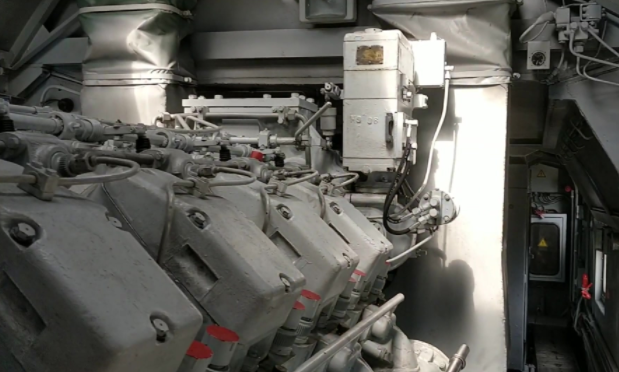
Part 2. Common Causes of Diesel Engine Taking Longer to Start
Difficulty starting a diesel engine is usually caused by several factors. The following are some of the most common reasons.
Fuel System Problems
The fuel system causes slow starting of the diesel engine all the time. When the fuel filter is clogged, the fuel inflow decreases so that normal fuel injection stops. This may not be the only case of a fuel system issue. It lets external air be inhaled through the pipes, upsetting normal fuel firmness and leading to difficult starting of the engine.
A further factor to be considered is lowered efficiency of the injectors. When the injector fails to take down the fuel in a small droplet for ignition, it becomes relatively impossible to ignite it, in some way accounting for the loss of efficiency at starting.
Low Battery Power or Electrical System Problems
Diesel engines require a lot of electrical current to start up. If the battery is low in power or if the voltage is too low, the starter motor cannot deliver enough power to turn the engine well. Moreover, loss of current transmission efficiency and a longer starting cycle result from the loose connection, corrosion, or poor contact.
From the long duration of use, the decay of the battery performance is a common occurrence. It is therefore essential to have a look at the condition of the battery once in a time.
Glow Plug Failure
In cold environments, diesel engines usually rely on glow plugs to increase the temperature in the combustion chamber. If the glow plugs are damaged or the preheating system fails, the fuel may not ignite easily during a cold start, resulting in starting difficulties.
When the preheating system does not function properly, diesel engines in low-temperature environments often experience longer starting times or may even fail to start.
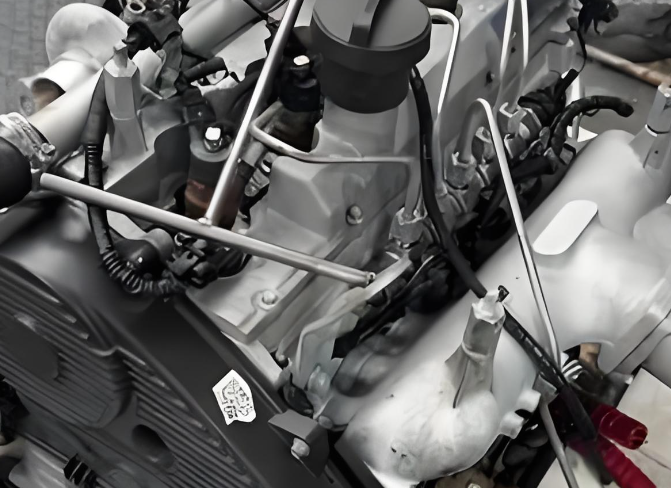
Insufficient Engine Compression
In order for fuel auto-ignition to take place in diesel engine, one of the requirements is to require a very high fuel ratio. Anything that causes a decrease in compression pressure is worn-out piston rings, not properly-sealing valves, or worn-out cylinders. A reduction in compression directly affects combustion efficiency and increases the difficulty of starting the engine.
This type of problem usually occurs in engines that have been used for a long time or have not been properly maintained.
Starting System Problems
Faults in the starting system itself can also cause diesel engine taking longer to start. For example, a worn starter motor, poor gear engagement, or a malfunction in the starting control system can all reduce starting efficiency.
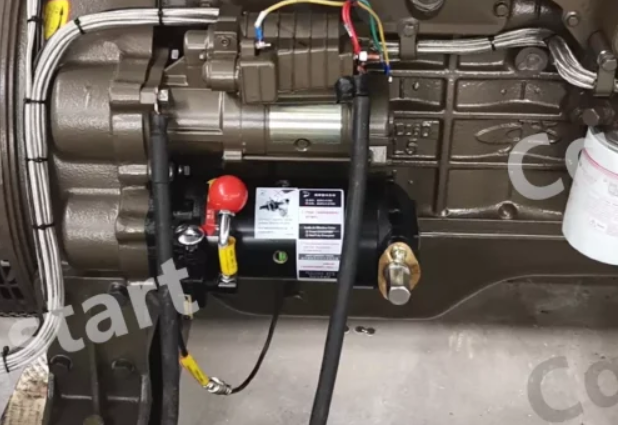
In some special environments, such as mines, offshore platforms, or explosion-hazard areas, equipment may use mechanical starting devices such as a spring starter. If these starting devices are not properly maintained, they may also affect the engine’s starting performance.
Part 3. How to Diagnose Diesel Engine Starting Problems
When a diesel engine takes longer to start, you can follow the steps below to perform a basic inspection.
First, check the battery voltage and the cable connections. If the voltage is insufficient or the connections are loose, they should be replaced or repaired promptly.
Second, inspect the fuel system, including the fuel filter and fuel lines. Make sure the fuel supply is smooth and remove any air that may be present in the fuel lines.
Third, check the working condition of the fuel injectors. If the injectors are clogged or the atomization quality is poor, they should be cleaned or replaced.
Fourth, examine the preheating system and ensure that the glow plugs are functioning properly.
Finally, inspect the starting system, including the starter motor, gears, and related control components.
By following this systematic inspection process, you can quickly identify the main cause of the starting difficulty.
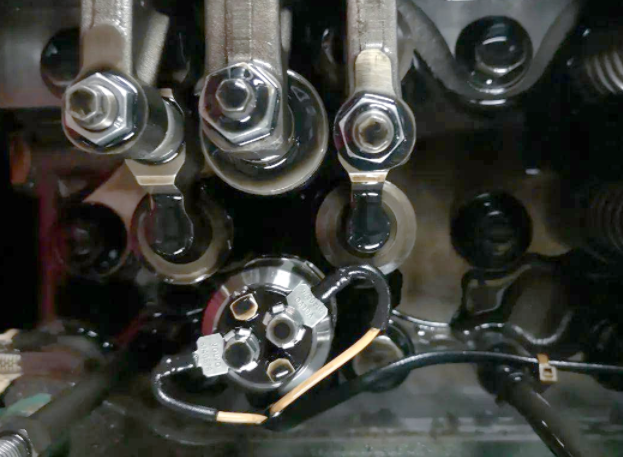
Part 4. Solutions to Diesel Engine Taking Longer to Start
Proper diagnosis and problem resolution, often involving the injection and the pump both at the same time, are of much significance. Again, through effective maintenance by proper operation will be the aim towards all of its feasible aspects, whereby is capable of countering the frustration of engine starting even further and reducing the prospect of any further breakdown peculiar to the same.
Replace the Fuel Filter Regularly
For avert starting problems in diesel engines, fuel filters are required to be replaced quite regularly. Impurities and sediments are a considerable disadvantage in the fuel system, getting collected in the fuel filter and jamming it.
The jamming and bad fuel passages as a result weaken the efficiency of the fuel-injection system such that the engine requires more time to start up. For these reasons, clean and well-maintained fuel systems are certain with the replacement of fuel filters according to the suggested maintenance schedules.
Keep the Battery in Good Condition
Diesel engines require high electric current during cranking, so the performance of the battery has a major impact on starting. If the battery’s state of charge is low or if its voltage is low, the starter motor may not have enough power to rotate the engine.
Sub-optimal cable connections, including corroded or disconnected cables, will lower the electrical transmission efficiency. Regularly read voltage of the battery and check the cable connections. Keep the battery up-to-date to ensure reliable engine starting.
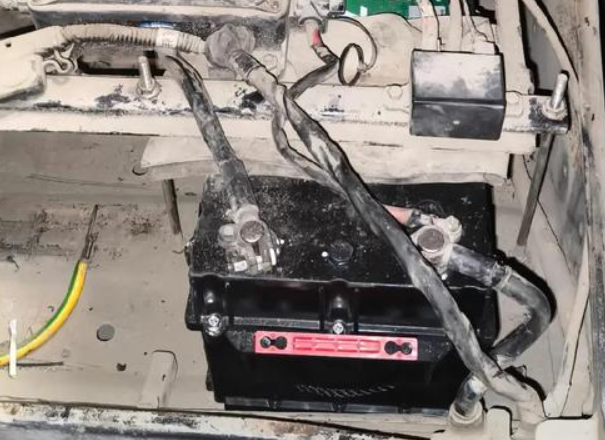
Clean or Maintain the Fuel Injectors
Clean fuel injectors are essential for smooth starting when operating a diesel engine. In the case of blockage or a decrease in the atomization performance of the injectors, fuel does not burn effectively and one may experience hardship in starting.
For older units, injectors can be examined/cleaned by using specialized tools to restore modifications for good fuel injection performance. Appropriate maintenance of the injectors is crucial for not only enhancing starting performance but also enhancing fuel efficiency.
Ensure the Preheating System Works Properly
Diesel engines are normally difficult to start when the environment is cold, and this calls for the importance of the preheating system. The glow plugs are useful in that they are able to increase the temperature of the combustion chamber, hence helping the diesel fuel to burn more easily when the engine starts in cold conditions. In case the glow plugs are impaired, it would take a very long time to start the engine, especially when the environment is cold.
Choose a Reliable Starting System
In addition to regular maintenance, choosing a reliable starting system can also help reduce starting difficulties. In some environments without a stable power supply, such as mines or remote locations, traditional electric starting systems may be limited.
In such cases, mechanical starting devices such as spring starter can provide a stable and reliable way to start diesel engines. These systems store mechanical energy to crank the engine and do not rely on an external power source, making them highly reliable in challenging conditions.
Part 5. How to Prevent Diesel Engine Starting Problems
Prevention normally holds greater value than cure: the answer is a high likelihood of reducing the diesel engine’s starting trouble and adding to equipment life by enforcing a high degree of preventive maintenance while frequently assessing the vital components as their operation continues.
Perform Regular Maintenance According to the Service Schedule
First of all, the machine has to be serviced regularly as per the manufacturer’s recommendations. This would mean periodic change of fuel, engine oil, and filter elements to keep the mass of the engine clean from inside, and also to keep both fuel and oil appetizers of the engine in good order so as to remove the chances of contamination with some start-up problems.
Use High-Quality Diesel Fuel
It is necessary to access the highest quality diesel at all times. Low-grade fuel is more likely to come with impurities or even residual hydration that could accumulate within the fuel system and later on, in the form of carbon, to foul the fuel injectors and impact fuel-injection performance. The long-term penchant for using a superior grade of diesel can mitigate problems of the fuel system and thus help improve the starting performance of the engines.
Regularly Check the Battery and Electrical System
Batteries and electrical systems need proper examination from time to time. A great deal of electrical current is consumed by diesel engines during start-up, and in the event that a battery is weak or the power drops, a starter motor might not have enough power available to crank the engine.
Consequently, all cable links must be examined to ensure their security levels and freedom from corrosion, which would otherwise reduce electrical efficiency.
Inspect the Condition of the Starting System
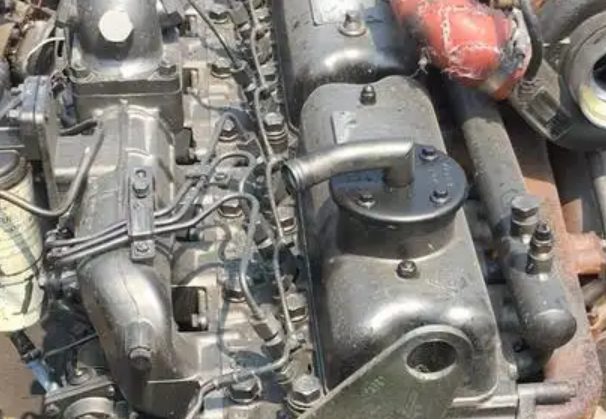
The ignition system should be periodically checked for proper performance, including the starter motor, gear mechanism, flywheel and related control elements. Failure to replace a few parts of the ignition system after wear and tear or after the system is damaged can make the starting of the engine very slow.
It would not hurt to ensure that all components of the starting devices are in good working condition and are also put in a ready-to-use condition for mechanical-driven equipment, so to some extent their parts may require maintenance.
Use Preheating Devices in Cold Environments
Using the proper preheating devices in cold climates can improve the cold-start performance of diesel engines. By raising temperatures within the combustion chamber, diesel fuel ignites faster, thus reducing starting time and decreasing wear-and-tear caused by poorly ignited fuel. Efficient use of preheating systems can be critical for operation in subfreezing environments.
Final Thoughts
A diesel engine taking longer to start is a relatively common issue during equipment operation. When a diesel engine takes longer to start, it is often related to problems in the fuel system, electrical system, preheating system, or the starting system.
For industrial equipment that depends on diesel engines, starting them quickly and reliably is one of the crucial factors for stability. In some environments, where it is possible that electric power could be very unreliable or might not be available entirely, mechanical device systems, such as spring starters, can then become the best alternative for starting up diesel engines, upholding the diesel models’ good performance in tough conditions.