
Diesel engines are engineered with precision however, neglect over time is their biggest enemy. Improper storage is often the cause of degrading the fuel, the growth of microbial and internal corrosion. All of these are precursors to expensive repairs. But, proper storage isn’t just “parking” your equipment; it’s a proactive maintenance method. We provide the necessary procedures to safeguard your engine’s integrity and guarantee the reliability you require most. If you can master these maintenance rules, you can move from reactive troubleshooting to ensuring performance, ensuring that your engine is running at full capacity regardless of duration.
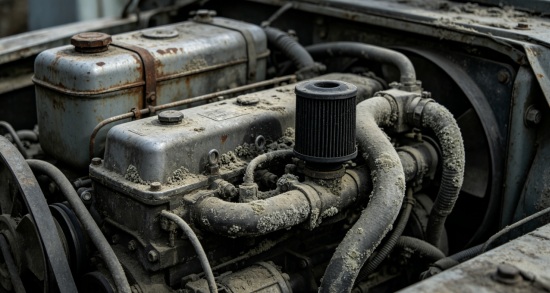
Phase 1: Preparation – The “Pre-Storage” Checklist
Before you put your engine in storage it is essential to neutralize any possible threats. The engine isn’t something that can be left to itself. It is a complicated system of mechanics and chemistry, which begins to to degrade the moment it stops running..
Deep Exterior Cleaning: Get rid of dust, grease and dirt. These substances can trap moisture against the block of your engine, which acts as an accelerant for the surface corrosion.
Stabilization of the Fuel System: This is the most crucial step. The fuel used in diesel is organic, and susceptible to an oxidation. As time passes, it forms “asphaltenes”–gummy deposits that block filtering and injection systems.
Steps to take: If you are storing for longer than three months or more than three months, or fill the tank to capacity to prevent condensation from forming or empty it completely. Use a premium fuel biocide and stabilizer to stop”Diesel Bug “Diesel Bug” (microbial growth that thrives in fuel that is stagnant ).
The replacement of oil and filters: Used oil contains acidic byproducts of combustion which are destructive. Prior to long-term storage, it is essential to change the oil to a fresh one. Choose a premium oil that has corrosion inhibitors designed specifically for the purpose of preserving engine.
Phase 2: Protecting Internal Components
Once the fluids are managed, you must secure the engine’s internal “breathing” and combustion chambers from moisture ingress.
Fogging the Cylinders
This is a standard procedure in the industry. Take out the fuel injectors or glow plugs, and then spray a special “fogging oil” into each piston. The engine should be rotated manually until a protection film is applied to the piston and cylinder rings, stopping the oxidation.
Sealing the Airways
Moisture is the most common reason for internal engine failure when stored. Use airtight fittings or tape to protect the exhaust and intake manifolds. Be sure to place a prominently visible label at the air intake to stop unintentional startup, without taking off the seals, which can be disastrous.
Mechanical Starter Protection
If your engine is equipped with an ignition system it is essential to check its condition prior to the first time you start. If you’re using an electronic spring starter be sure that you have the spring in “released” or “unwound” position. A spring that is under tension for months could cause fatigue of the metal and a decrease in torque output. The storage of the spring in a relaxed condition ensures that it is elastic and lasts for a long time.
Phase 3: Ideal Storage Environment
Environment is the ultimate variable in engine preservation. Even a perfectly prepped engine will suffer in a poor environment.
Climate Control
For the best storage spot, aim for somewhere dry, well ventilated and with very small temperature swings. When temperatures keep changing, the unit ends up doing a sort of repeated thermal cycling and it can create “sweating”, which is basically when the internal air cools down then condenses into tiny water drops. Those droplets then encourage inner corrosion and rust.
Moisture Barriers
If storing outdoors is unavoidable, use high-quality, breathable covers. Avoid plastic tarps that trap moisture underneath; breathable covers allow condensation to escape while keeping rain and dust out.
Vibration Isolation
If the engine is mounted, ensure it is on stable ground. While less critical for short-term storage, long-term vibration from nearby heavy machinery can, in rare cases, cause micro-fretting on bearing surfaces.
Phase 4: Maintenance During Storage
“Out of sight, out of mind” is the mindset that destroys diesel engines. A rigorous maintenance schedule during the storage period is required for high-reliability assets.
-Periodic Rotation: Every 4–6 weeks, manually turn the engine over (at least two full revolutions). This redistributes the oil film on the cylinder walls and prevents the piston rings from “sticking” to the cylinder liners due to oil polymerization.
-Visual Inspections: Check for any signs of pest infestation (rodents love to nest in engine bays and chew on wiring harnesses) and ensure that no external water leakage has occurred near the unit.
Phase 5: Returning to Service – The “Safe Start” Protocol
If it is an appropriate time for the engine to be brought on the road, don’t force the engine to start with a “cold start.” The engine should be restored to operating parameters with caution.
- Remove all protections. Take off the intake and exhaust seals as well as tags. Examine for any dirt that might have been accumulated.
- Check the level of fuel and oil. Make sure you check the levels of oil and examine the fuel filters. In the event that your fuel is sat for more than 6-12 month even though it has stabilized, it could be advisable to drain it and then change it.
- Prime the system, prior to starting the engine, you must manually crank it up to increase oil pressure, without starting combustion. This will ensure that, when the engine starts the bearings will be lubricated.
- Concerning Start Reliability: If the engine is unable to rotate because of electrical battery drain (a typical issue after prolonged storage) This is when mechanical spring starters demonstrate its worth. Contrary to battery-dependent systems that fail when the charge is low the charge, a mechanical spring starter delivers continuous, high-torque energy irrespective of the current electrical condition. It makes sure that your engine is started at any time even after prolonged period of idle.
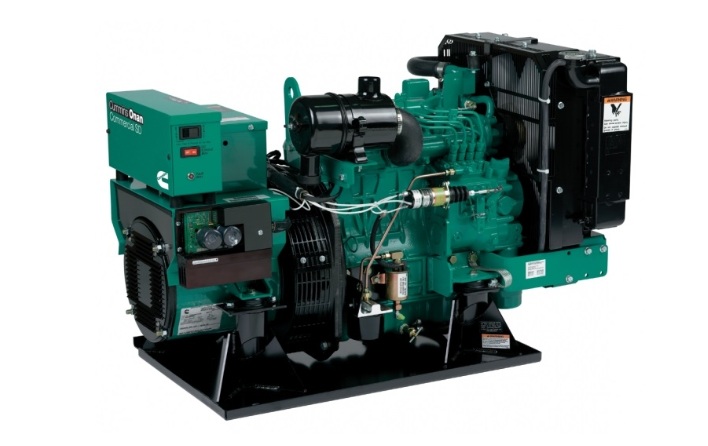
Long-term engine storage is, in a way an investment in how long your equipment can keep going. If you stick to these preservation protocols, you basically do away with the corrosion risk, the fuel degradation side of things and even the possibility of mechanical seizure. When you’re ready to use your setup the exact moment you need it, you also sidestep those less obvious costs, the kind from downtime, and emergency repairs.
For those requiring the highest level of startup reliability–especially in remote or emergency applications where battery failure is not an option–consider upgrading your engine’s starting system. Visit Cqstart to learn more about our wide selection of high-performance mechanical spring starters made to give you quick, reliable starts regardless of how long the engine has been stored. Make sure your operations are running and your equipment in good condition.