
Military generators are made to function in the harshest environments in the world including remote desert bases to frigid field operations. In these conditions the slightest interruption can cut off vital power supply and impact the mission’s readiness. The traditional electric starting systems depend on wiring, batteries and regular maintenance which are vulnerable during extended deployments or severe weather conditions. As military operations require durable, low-maintenance devices, easy-to-maintain starting systems such as Mechanical spring starters are gaining popularity as the preferred option for defense generators and military power systems.
Common Starting Problems in Military Generators
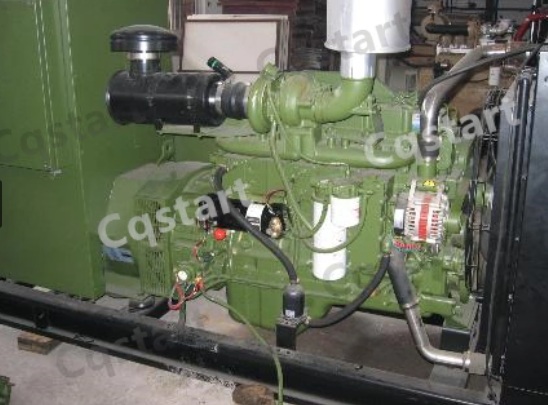
Military generators are in more harsh conditions than typical industrial units, which makes startup problems common because of long waiting times, unstable environments and low maintenance.
Batteries that are dead can be the most common reason. Storage over a long period and cold weather can quickly weaken or drain batteries. Military fields typically lack replacement or charging support. Electrical systems also end up failing quite often… like vibration, dust, and moisture that somehow ruin the wiring, solenoids, relays, plus starter motors. Then you get those surprising breakdowns, and the fixes are slow, almost like nobody has quick access to the answers right away.
The corrosion caused by humidity and saltwater affects connections, and also reduces performance. Extreme cold also affects the power of battery cranking, increases thickness of oil and reduces the flow of fuel. In addition, humidity and sand in desert areas can corrode electronic components.
Long-term standby storage worsens battery drain, contact degradation, and mechanical sticking. These issues make traditional electric starters unreliable for critical military use, driving demand for robust, battery‑free mechanical starting solutions.
The Limitations of Traditional Generator Starting Systems
Conventional electric starting systems have been widely used for decades, but they also introduce several operational limitations in military environments.
High Maintenance Requirements
Electric starters require frequent maintenance and inspection, which includes:
- Battery replacement
- Wiring checks
- Terminal cleaning
- Electronic diagnostics
- Maintenance of charging systems
In the case of military forces operating out in rural regions the maintenance of these systems may add complexity to logistics and the cost of maintenance.
Dependence on External Power
Battery-powered systems require reliable charging capabilities. In the event of long-term power or storage interruptions, batteries can be depleted, without the operator noticing it.
In an emergency situation the generator that is unable to start because of battery failure does not serve the purpose of emergency power backup.
Increased System Complexity
The more electrical components, the greater number of possible failure points. Complex systems can perform well in controlled conditions, but are less reliable in the presence of extreme humidity, vibration extremes in temperature, harsh transportation conditions.
For military use, it is common to find equipment that is durable easy to use, as well as reliable.
What Is a Maintenance-Free Starting System
A maintenance-free system for starting is created to cut down on the requirement for servicing while ensuring engine starting capacity over extended operational times.
These systems are particularly valuable in military applications, where:
- Access to maintenance is restricted
- The environmental conditions are very severe
- Equipment readiness is vital.
- The time between operations must be reduced.
The most efficient solution to maintain army generators can be found in the mechanic spring starter.
How Mechanical Spring Starters Work
Mechanical spring starters utilize spring energy stored in a manual way to start cranking diesel engines, without relying on batteries or electrical power from outside.
The basic principle behind the operation is easy:
- The energy is stored through spinning the internal spring mechanism.
- The mechanical energy that is stored is released when the start-up is required.
- The starter spins the crankshaft of the engine to start combustion.
Because the system works mechanically it is able to avoid many of the weaknesses that are associated with traditional electric starters.
No Battery Dependency
One of the biggest advantages of mechanical spring starters is complete independence from batteries.
This eliminates common problems such as:
- Dead batteries
- Charging failures
- Electrical shortages
- Battery weakness due to cold weather
For military generators that are deployed in remote or off-grid areas This greatly enhances the operational capability.
Reduced Maintenance Requirements
Mechanical spring starters have smaller electronic components and need less maintenance in comparison to electronic systems.
This reduces:
- Inspection frequency
- Replacement costs
- Downtime
- Field repair complexity
For long-term military operations cutting down on maintenance can dramatically enhance the efficiency of equipment.
Reliable Performance in Harsh Environments
Spring starters made of mechanical are designed to withstand harsh operating conditions, such as:
- Desert deployments
- Arctic environments
- Humid tropical regions
- High-vibration transportation platforms
Their simple mechanical structure helps improve reliability where electrical systems may struggle.
Advantages of Mechanical Spring Starters for Military Generators
Improved Emergency Readiness
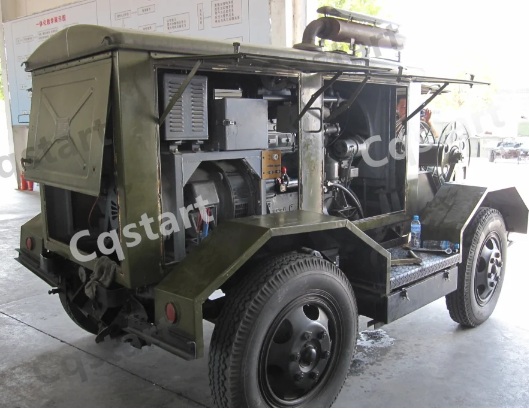
Mechanical spring starters enable military generators to maintain full emergency readiness at all times. They work perfectly even after long-term standby and storage, without depending on battery status, charging conditions or external power supply. This ensures the generator can start instantly whenever emergencies, military missions or disaster response require power support.
Longer Service Life
Built with a simple pure mechanical structure, these starters have far fewer electrical and vulnerable components. Less structural wear and lower failure risks allow them to serve steadily for a much longer lifespan compared to traditional electric starting systems, adapting well to long-cycle military equipment deployment.
Lower Lifecycle Costs
Thanks to their streamlined structure, mechanical spring starters greatly reduce daily maintenance work and the frequency of spare part replacements. Less routine inspection, fewer repair tasks and lower part consumption effectively cut the overall operation and lifecycle costs of military generator equipment.
Better Reliability in Remote Locations
In military missions in isolated, off grid or undeveloped fields that lack an electrical infrastructure that is complete mechanical spring starters have distinct advantages. They work independently and do not rely on grids of power or charging facilities, providing steady and reliable performance even in remote strategic deployment sites.
Generators used in military operations must be reliable in some of the most extreme conditions around the globe. But, conventional electric starting systems may face issues like battery failures, dead batteries corrosion, and severe weather conditions. These challenges increase the maintenance requirements and can pose operational risk when performing critical tasks.
The maintenance-free start-up solutions like mechanical spring starters offer an effective alternative to military generators. In addition to removing battery dependence and reducing system complexity mechanical spring starters can improve reliability, reduce maintenance and aid in ensuring missions’ readiness in harsh conditions. For modern power systems in the military that require a durable and battery-free starter is becoming a more practical option.