
Electric starters are commonly employed because they are simple and easy to use. But when it comes to critical operations, it isn’t the same as dependability. If a system is dependent heavily on batteries or an external power source, even a minor malfunction can stop the engine from starting when it is required. This is the reason why a lot of industries are looking at their starter solutions. If your machine has to begin to run under any conditions, you should ask an important question: when should you upgrade from an electric starter to a spring starter?
The Limits of Electric Starter Systems
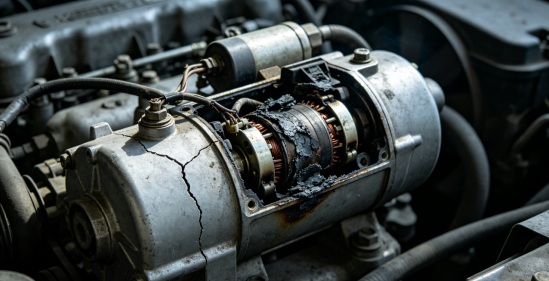
Electric starters perform well in normal conditions; their performance is heavily dependent on external conditions. The biggest drawback is their dependence on batteries.
Battery-powered systems are susceptible to a variety of problems
- Charge depletion after long idle periods
- Low temperature reduction in efficiency
- Internal aging decreases output over time.
- Electrical faults in wiring or control systems
The U.S. Department of Energy reports that battery performance drops by more than 30 percent when ambient temperatures reach cold environments. The reduction in performance directly impacts diesel engines which need high torque for their engine starts.
The actual operational performance shows that these constraints result in two outcomes which include both delayed engine starts and complete operational failures.
Key Signs It’s Time to Upgrade Your Starter Solution
The proper timing for upgrading your starter solution will help you achieve business operations without interruptions while minimizing potential risks. . A variety of warning signs suggest that an electric starter might no longer be adequate.
Frequent Starting Failures
If an engine needs multiple starting attempts, it indicates that the engine experiences problems with delivering electrical power. This problem occurs when batteries lose their strength and when the electrical system experiences voltage fluctuations. As time passes repeated failures cause wear on the starter and engines themselves.
Operation in Remote or Off-Grid Locations
In remote areas the availability of reliable power is often limited or not available. Maintaining the health of batteries is more difficult and replacing parts may not be feasible.
In these circumstances, a spring starter that works independently from external power is the best benefit.
Harsh Environmental Conditions
Extreme temperatures, humidity, and dust all create negative effects on electrical systems. The system experiences its highest problems during cold weather because this weather condition decreases battery performance and increases system resistance.
Mechanical systems, in contrast are more insensitive to these environmental influences.
Safety-Critical Applications
In the case of industries that fail is not an option, for instance hazardous or emergency response The reliability of the system that is starting can become a safety concern.
Standards set by organizations like those of the International Electrotechnical Commission emphasize the necessity of fail-safe systems in critical processes. A starter that doesn’t rely on electricity will reduce a primary cause of failure.
Why Spring Starter Is a Better Alternative
If reliability is the main need, many businesses look to spring starter systems to provide an option that’s more reliable.
No Battery Required
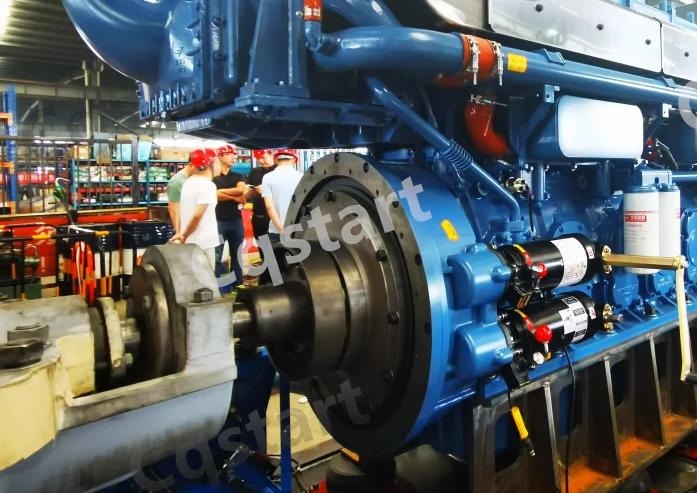
A spring starter is completely mechanical, and does not depend on batteries or other external power sources. The energy is stored mechanically, and released as needed which allows the engine to begin running after prolonged periods of inactivity.
High Reliability in Emergencies
Spring starters are engineered for immediate readyness. They provide constant starting torque regardless of the environment conditions.
This makes them especially efficient for “black start” scenarios, where there is no power from outside accessible.
Low Maintenance and Long Lifespan
Due to their less complicated structure, spring starters usually need less care than electrical systems. There are less components which could fail, and there is no battery degradation to deal with.
As time passes, this decreases the cost of maintenance as well as operational complexity.
Safe for Hazardous Environments
In areas where gas or dust that is flammable are in the air, electrical sparks may be a risk. Spring starters reduce this risk through their non-electrical ignition sources.
This allows them to be used in applications that require strict safety regulations.
Electric Starter vs Spring Starter
A direct comparison helps clarify why many operators choose to upgrade their starter solution.
| Feature | Electric Starter | Spring Starter |
| Power dependency | Requires battery or external power | Fully mechanical |
| Reliability | Affected by battery condition | Consistent performance |
| Maintenance | Requires battery care and replacement | Minimal maintenance |
| Environmental resistance | Sensitive to temperature and moisture | Highly resistant |
| Emergency readiness | May fail without power | Always ready |
This comparison shows that while electric starters are suitable for routine use, spring starters provide greater reliability under demanding conditions.
When Should You Upgrade to a Spring Starter
It isn’t always essential. However, certain circumstances can require it to be a sensible choice.
It is recommended to upgrade your system at the time of
- Your equipment must start without delay in emergencies
- You operate in environments with unreliable or no power supply
- Your current system shows repeated starting issues
- Safety standards require non-electric solutions
In these instances the cost of failure is often greater than the expense of repairing.
Is Upgrading Worth It
From a short-term standpoint the electric starters could seem more affordable. But, the long-term implications usually tell a different tale.
Maintenance, downtime, and system failure can cause
- Lost productivity
- Increased repair costs
- Safety risks
- Operational delays
An improved, reliable start can help reduce risks. In time, this can lead to greater efficiency overall and lower overall expense of owning.
Choosing the Right Starter Solution
Electric starters are a viable option for a variety of standard applications. However, when safety, reliability and the ability to be independent from power sources, the electric starter may not suffice.
Spring starters are a reliable alternative that eliminates the limitations of the electrical and battery system. They offer consistent performance and require less maintenance and are able to operate in difficult conditions.
If your company’s operations require more certainty than ease of use changing to spring starters isn’t only an improvement. It’s a smart choice that increases reliability and makes sure that your equipment is in good working order in the times that matter most.