
If you’re dealing with diesel engine start problems, you’re not alone. Most of the time, the real culprit is one of four things: weak electrical power, fuel not reaching the cylinders, blocked air intake, or insufficient compression heat. Since diesel engines work on compression ignition – they squeeze air until it’s hot enough to ignite the fuel – once you understand that, troubleshooting gets a whole lot easier.
This guide walks you through eight common starting failures using a clear symptom → cause → fix flow. No jargon overload, just practical steps that actually get your engine running again.
8 Common Diesel Engine Start Problems and Their Fixes
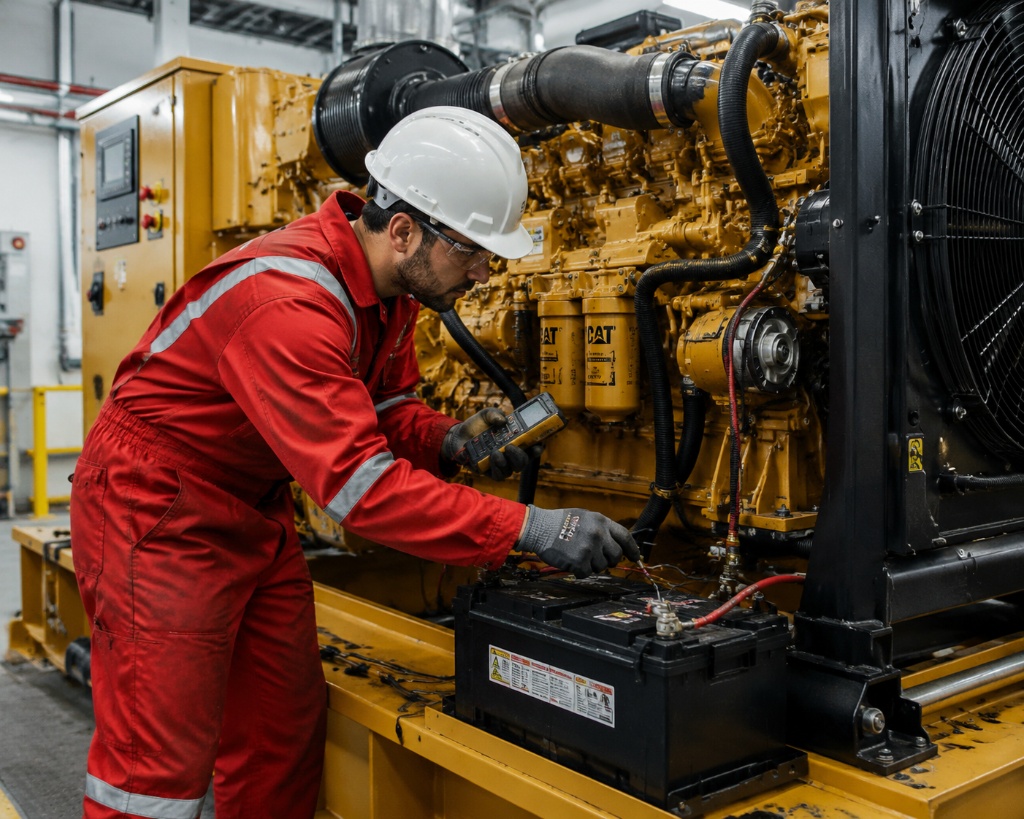
1. Battery Problems Cause Slow or Failed Starting
One of the primary issues preventing diesel engine start-up is an underpowered or dead battery. You know you have one when you turn on your key and hear only one click or the starter drags slowly: that is a classic sign. Diesels require high compression ratios, necessitating greater cranking torque than gas engines do – when one of these components becomes compromised it simply cannot deliver sufficient cranking torque to spin the flywheel fast enough and reach minimum RPM threshold.
Fix it: Use a multimeter to check static voltage. A fully charged 12V battery normally reads around 12.6V at rest – just a reference. Clean off any white/green oxidation from the posts, tighten the clamps, and if the battery is over 3–5 years old and won’t hold a charge, replace it. This single step solves a huge percentage of starting issues.
2. Starter Motor Problems Prevent Engine Cranking
Suppose the battery voltage is fine, but you hear a harsh grinding noise, or the starter housing gets extremely hot and the flywheel won’t turn smoothly. That points directly to the starter motor itself – another common source of diesel engine start problems. When the solenoid clicks but the motor barely rotates, you’re likely facing worn carbon brushes or burnt windings – classic diesel starter motor problems that reduce torque output.
Fix it: Check the solenoid’s control wire for looseness. In a pinch, tap the starter housing gently with a rubber mallet to temporarily free stuck brushes. If the coils are burned or the drive gear is chewed up, you’ll need a rebuild or a new starter. Don’t ignore these signs – they only get worse.
3. Fuel System Problems Stop Diesel Delivery
Here’s another classic diesel engine start problem: the starter spins strong, but the engine never fires, and there’s no smoke from the exhaust. That usually means zero fuel is reaching the cylinders. Diesel fuel systems are high-precision. A clogged filter (water or debris) or trapped air from recent maintenance will prevent the injection pump from building enough pressure.
Fix it: Open the drain valve on the fuel-water separator to let out water. Replace the filter element if it’s dirty. Next, loosen the bleed screw on top of either pump or filter housing by pumping with hand primer pump until fuel runs free from bubbles; tighten back down and this should restore fuel flow and often resolve starting failure immediately.
4. Engine Cranks But Does Not Start
The starter turns at normal speed, you might hear a few sputters, but the engine won’t run continuously – or it fires and dies right away. This frustrating diesel engine start problem means the cranking speed is adequate, but fuel delivery fails at the critical moment, or cylinders can’t hold ignition temperature. When you have a diesel engine turning over but not starting, you need to check a few controls.
Fix it: Confirm the emergency stop switch or shut-off lever is fully reset. Check that the fuel shut-off solenoid gets power and opens. Crack a high-pressure line at an injector and see if fuel squirts during cranking. If not, you’ve found the blockage.
5. Diesel Engine Takes Multiple Attempts to Start
This one eventually starts, but only after several key turns and long cranking – especially after sitting overnight. That’s a telltale diesel engine start problem often caused by fuel draining back to the tank through a tiny check valve leak, failing glow plugs, or a slight air leak in the low-pressure lines. When a diesel engine is taking longer to start, patience isn’t the answer – diagnosis is.
Fix it: Inspect low-pressure fuel lines and fittings for any damp spots – seepage lets air in and fuel drain back. Test glow plug resistance with a multimeter and replace any open ones. Also check and clean the air filter; restricted airflow adds to the hard-starting struggle.
6. Cold Weather Makes Diesel Engines Hard to Start
Cold weather is one of the main contributors to diesel engine start-up issues. Even well-maintained engines struggle as battery output drops, oil thickens (which increases drag) and diesel wax gels into filter clogs – all three becoming obstacles for starting their engine in wintertime. Overcoming diesel cold start problems requires taking steps against all three winter hurdles at once.
Fix it: Preheat glow plugs or an intake heater for 10-15 seconds prior to cranking, use winter diesel, or add an anti-gel additive, as well as switching over to winter-grade oil (such as 5W-40) in winter conditions and install block heaters as standby units to keep engines warm. These simple adaptations dramatically reduce cold-weather starting failures.
7. Low Compression Problems
When you crank, the engine sounds unusually “light” (no normal compression resistance), and white smoke (unburned fuel vapor) comes out, but it won’t fire. This is a deeper diesel engine start problem because ignition depends on compression heat. Worn/stuck piston rings, leaking valves, or a blown head gasket let air escape during compression, so the temperature never reaches ignition point.
Fix it: Use a dedicated diesel compression tester to measure each cylinder’s pressure. Check and adjust valve clearance. If rings or liners are badly worn, you’ll need a partial or full overhaul. Compression issues are less common but they’re a classic cause of persistent starting troubles.
8. Starting Problems After Long Storage
Trying to start equipment that sat for months or years – the starter may lock, or the engine spins with no fuel pressure. This special case of diesel engine start problems requires extra care. An effective strategy for starting up a diesel engine that has been sitting involves draining degraded fuel, replacing filters, and manually barring the engine in order to pre-lubricate cylinder walls before trying.
Fix it: Drain out and replace with fresh diesel, clean out all components, replace filters as necessary and change all injectors or compression release valves before turning over engine by hand several times using pry bar. This checks for mechanical binding and builds an oil film before you try the electric starter – it prevents damage and improves your odds of a successful start.
Diesel Engine Start Problems Quick Diagnosis Guide
This table sums up the five most common symptoms, their primary causes, and the first action to take. Use it when you’re facing diesel engine start problems and need a fast reference:
| Symptom | Primary Cause | Immediate Action |
| No response or just a single click | Dead battery, corroded terminals, or faulty solenoid | Measure voltage; clean and tighten terminals |
| Starter spins but no exhaust smoke | Fuel cut off (shut-off valve closed, air in lines, or clogged filter) | Check shut-off solenoid; change filter and bleed system |
| Cranks with white smoke but won’t fire | Glow plugs failed or low compression | Test glow plug relay; run a compression test |
| Hard cranking in cold weather | Cold reduces battery power and thickens oil | Use preheat; consider a block heater or booster |
| Starts then immediately dies | Small air leak in low-pressure lines or blocked air filter | Check line connections; inspect air filter restriction gauge |
How to Troubleshoot Diesel Engine Start Problems Step by Step
If you’re in the field and unsure where to start, follow this logical order – easy checks first, then deeper ones. This systematic approach eliminates guesswork and solves most diesel engine start problems without unnecessary disassembly.
Check electrical power first – measure battery voltage at rest and during cranking. Make sure terminals are clean and tight. It’s the cheapest and fastest check, and it fixes a huge number of starting issues.
Confirm starter cranking speed – listen to the starter. Does it sound steady and strong? If not, you might have a dragging motor or slipping drive gear – both common contributors to starting failures.
Verify fuel delivery – check fuel level and drain water from the primary filter. Ensure the shut-off solenoid works. Crack a high-pressure line to see if fuel pulses out. This step directly addresses fuel-related starting problems.
Inspect air intake and compression – check the air filter for clogging. If all previous steps are fine, connect a compression gauge to test each cylinder for internal leakage. That’s your last resort for persistent hard-starting cases.
How to Prevent Diesel Engine Start Problems
Preventive care is much cheaper than emergency repairs. Build these habits to avoid most diesel engine start problems before they occur.
Maintain battery condition – clean terminals regularly, apply anti-corrosion grease, and keep clamps tight. For standby units, use a float charger to prevent deep discharge. This alone prevents many cold-morning starting headaches.
Inspect starter motor regularly – check connections and the solenoid. Wipe off oil and dirt. Listen for unusual noises during routine checks – catching wear early avoids sudden starting failures.
Replace fuel filters on schedule – follow the manual’s hours. Drain water from the separator often to protect the injection pump. Clean fuel is essential for reliable starting.
Use proper engine oil – choose viscosity based on ambient temperature (e.g., lower viscosity in winter). Good oil reduces cranking resistance and protects cylinders at cold starts, directly reducing hard-starting events.
Avoid long storage without preparation – before parking, fill the tank to prevent condensation, add fuel stabilizer, and manually bar the engine periodically to maintain oil film. This keeps your engine ready to fire even after months of downtime.
When a More Reliable Starting System Is Needed for Diesel Engines
Even with great maintenance, some diesel engine start problems remain unavoidable. Batteries age, electrical parts fail, and certain environments make electric starters unsuitable.
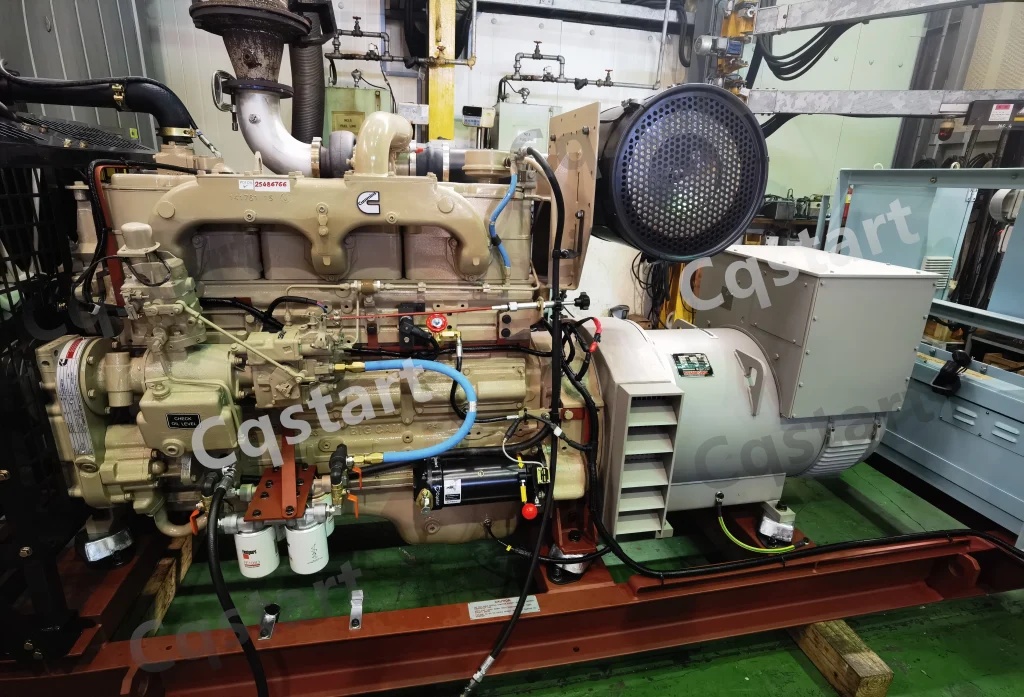
Think about oilfield engines, offshore equipment, emergency generators, mining equipment, and fire pumps. In these critical applications, traditional electric start systems have inherent weaknesses:
Battery unreliability – lead-acid batteries degrade, lose power in extreme cold, and self-discharge over time.
Spark hazard – in explosive atmospheres (like ATEX Zone 1/2), starter motor sparks pose a safety risk.
Black start vulnerability – if the main grid fails and the backup battery is dead, the entire emergency system is useless.
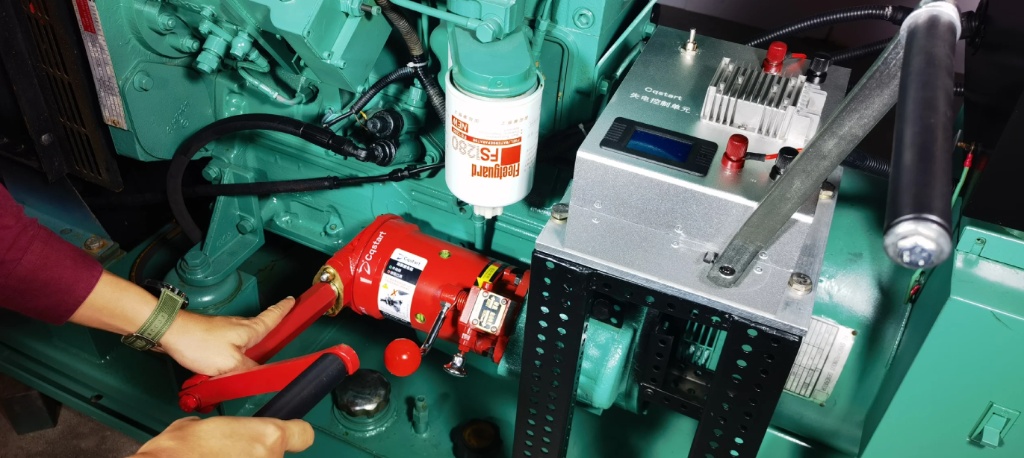
That’s why mechanical spring starters are designed for these exact scenarios. They don’t rely on batteries, wires, compressed air, or any external power. Manufacturers like Cqstart specialize in mechanical spring starting systems for diesel engines in emergency generators, marine applications, and oilfield equipment – places where battery reliability can’t be guaranteed, and where even a single starting failure is unacceptable.
How Mechanical Spring Starters Work
They mount directly to the engine’s flywheel housing. The operator uses a hand crank to wind a heavy-duty spring pack, storing mechanical energy. Pulling the release lever unleashes that energy instantly, spinning the flywheel to starting speed. No electricity, no air, no hydraulics – it works even during a total power outage or in extreme cold, effectively eliminating battery-related starting problems.
Conclusion
Most diesel engine start problems can be broken down into four areas: electrical supply, fuel delivery, air intake and compression. No specialist is needed to tackle them effectively – instead a systematic troubleshooting approach combined with regular maintenance will cut unplanned downtime and boost overall reliability.
For industries that can’t afford a failure, adding a mechanical spring starter provides an extra safety net when traditional electric systems fall short – because the best way to handle diesel engine start problems is to prevent them from happening in the first place.